
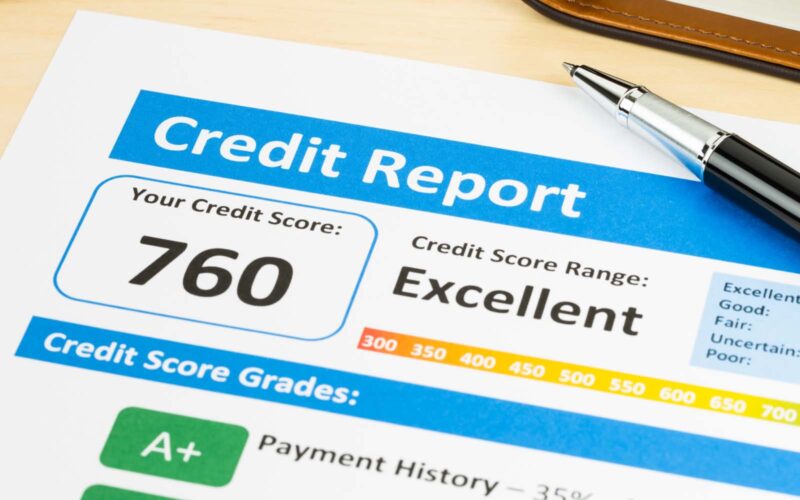
A credit score is more than just a number. It acts as a financial reputation, influencing how lenders, employers, landlords, and even insurers evaluate your reliability. Whether you are applying for a loan, renting an apartment, or starting a business, your credit score plays a decisive role in shaping available opportunities.
Understanding how credit scores work—and why they matter—can help you make smarter financial decisions and avoid costly mistakes.
What Is a Credit Score?
A credit score is a numerical representation of your creditworthiness, based on your borrowing and repayment history. It reflects how responsibly you handle debt and financial obligations.
Most scoring models evaluate:
-
Payment history
-
Credit utilization
-
Length of credit history
-
Credit mix
-
Recent credit inquiries
Higher scores indicate lower risk, while lower scores suggest potential financial instability.
Impact on Loan Approvals
One of the most significant effects of a credit score is on loan eligibility.
-
High credit scores increase approval chances
-
Low scores may lead to rejection
-
Borderline scores often require collateral or co-signers
Lenders rely on credit scores to determine whether you qualify for personal loans, auto loans, mortgages, or student financing.
Interest Rates and Borrowing Costs
Your credit score directly affects how much you pay to borrow money.
-
Excellent scores unlock the lowest interest rates
-
Average scores result in higher monthly payments
-
Poor scores lead to costly interest or limited options
Even a small difference in interest rates can translate into thousands of dollars over the life of a loan.
Influence on Housing Opportunities
Landlords frequently check credit scores before approving rental applications.
-
Strong credit signals reliability and on-time payments
-
Weak credit may require higher deposits
-
Very low scores can result in application rejection
For homebuyers, credit scores also determine mortgage terms and down payment requirements.
Employment and Career Implications
In certain industries, employers review credit reports during background checks.
This is especially common in:
-
Finance and banking
-
Government roles
-
Senior management positions
While employers do not see your exact score, poor credit history can raise concerns about responsibility and trustworthiness.
Insurance Premiums and Utilities
Credit scores influence more than just borrowing.
Insurance providers may use credit-based scores to:
-
Set premium rates
-
Determine coverage eligibility
Utility companies may also require deposits if your credit score is low, increasing upfront costs.
Business and Entrepreneurial Opportunities
For entrepreneurs, credit scores are critical.
-
Small business loans often rely on personal credit
-
Vendors may extend or limit trade credit
-
Investors assess financial discipline
A strong credit score can open doors to funding and partnerships, while a weak score can stall growth plans.
How to Improve Your Credit Score Over Time
Improving your credit score is achievable with consistent habits.
Key strategies include:
-
Paying bills on time
-
Keeping credit utilization low
-
Avoiding unnecessary credit applications
-
Maintaining older credit accounts
-
Monitoring credit reports for errors
Positive changes may take time, but even gradual improvement expands financial opportunities.
Why Credit Scores Matter Long-Term
Credit scores affect both immediate decisions and future flexibility. A strong score offers:
-
Lower financial stress
-
Greater negotiating power
-
Access to better financial products
In contrast, poor credit can quietly limit options and increase costs across multiple areas of life.
Frequently Asked Questions (FAQs)
What is considered a good credit score?
A good credit score typically falls within the upper range of scoring models and signals responsible borrowing behavior.
Can I get a loan with a low credit score?
Yes, but options are limited and often come with higher interest rates or stricter terms.
How long does it take to improve a credit score?
Minor improvements may appear within a few months, while significant changes usually take six months to a year or more.
Do checking accounts affect credit scores?
No, checking and savings accounts do not directly impact credit scores unless linked to overdraft collections.
Does closing credit cards hurt my score?
Closing older accounts can reduce credit history length and increase utilization, which may negatively affect your score.
How often should I check my credit report?
Reviewing your credit report at least once a year helps identify errors and protect against fraud.
Can missed utility bills affect credit scores?
Yes, unpaid utility bills sent to collections can appear on credit reports and lower scores.
