
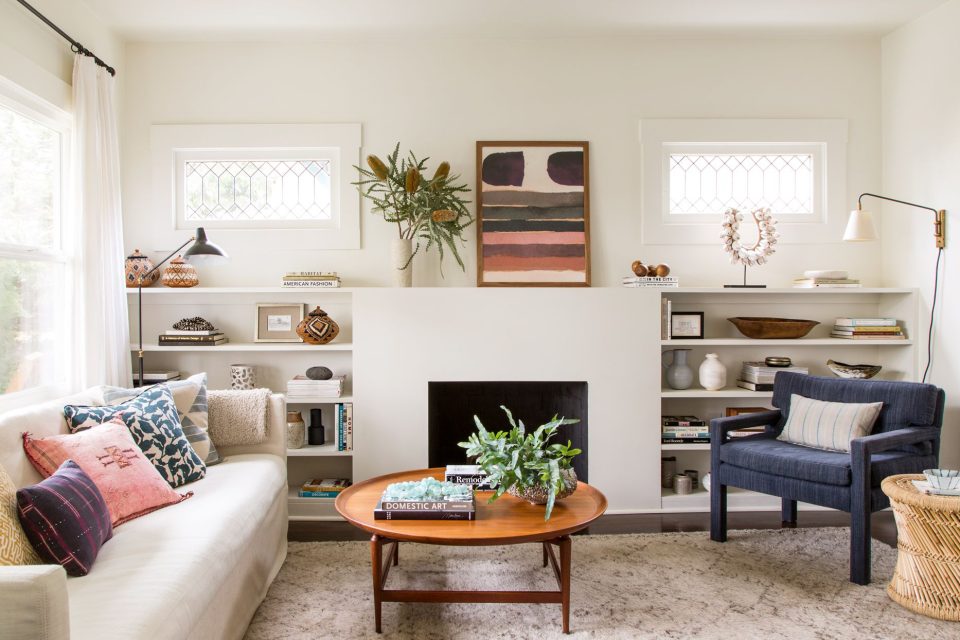
Improving your home doesn’t have to mean draining your savings. With thoughtful planning and a focus on high-impact changes, budget-friendly home improvements can refresh your space, boost comfort, and even increase property value. Small upgrades often deliver the biggest visual and functional returns when done strategically.
Start With a Clear Plan
Before spending any money, identify what areas need improvement the most. Prioritizing projects helps you avoid impulse spending and ensures every dollar has purpose.
Planning tips include:
- Set a realistic budget range
- Focus on visible, high-use areas
- Tackle one project at a time
A clear plan keeps costs controlled and results intentional.
Refresh Walls With Paint
Paint is one of the most affordable ways to transform a space. A fresh coat instantly makes rooms feel cleaner, brighter, and more modern.
Smart Painting Ideas
- Use light colors to make small rooms feel larger
- Create an accent wall for visual interest
- Repaint doors, trim, or cabinets instead of replacing them
Painting delivers dramatic results at a relatively low cost.
Upgrade Lighting for Instant Impact
Lighting affects both mood and functionality. Swapping outdated fixtures or bulbs can change how a room feels without major work.
Budget lighting upgrades include:
- Replacing old fixtures with modern designs
- Using LED bulbs for energy efficiency
- Adding floor or table lamps for layered lighting
Better lighting often makes a space feel more expensive than it is.
Improve Curb Appeal on a Budget
First impressions matter, and curb appeal upgrades don’t need to be expensive.
Simple Exterior Enhancements
- Paint or replace the front door hardware
- Add potted plants or window boxes
- Refresh house numbers and outdoor lighting
Small exterior updates can dramatically improve how your home is perceived.
Update Fixtures and Hardware
Replacing worn or outdated hardware is a quick win that adds polish.
Easy hardware upgrades include:
- Cabinet handles and drawer pulls
- Faucet fixtures in kitchens or bathrooms
- Towel bars and switch plates
These changes are affordable and easy to install, even for beginners.
Make the Most of DIY Projects
Doing projects yourself saves labor costs and builds confidence.
Beginner-Friendly DIY Ideas
- Installing peel-and-stick backsplash
- Creating open shelving
- Replacing old caulking or grout
DIY improvements allow you to stretch your budget while customizing your space.
Enhance Storage and Organization
Clutter can make even a beautiful home feel cramped. Improving organization often costs less than renovation.
Affordable organization solutions include:
- Floating shelves
- Closet organizers
- Storage baskets and bins
Better storage improves both appearance and daily functionality.
Boost Energy Efficiency Without Big Costs
Energy-efficient upgrades don’t always require major investments.
Low-Cost Efficiency Improvements
- Seal doors and windows with weatherstripping
- Install programmable thermostats
- Use energy-efficient lighting
These changes reduce utility bills while improving comfort.
Repurpose and Refresh Instead of Replacing
Replacing furniture and décor adds up quickly. Repurposing existing items keeps costs low.
Creative refresh ideas include:
- Reupholstering chairs
- Refinishing wooden furniture
- Rearranging layouts for better flow
Sometimes a new perspective is more valuable than new purchases.
Final Thoughts
Home improvement doesn’t require a massive budget—just smart choices. By focusing on high-impact, low-cost upgrades, homeowners can create a more comfortable, stylish, and efficient living space. Small improvements, when done thoughtfully, add up to meaningful long-term value.
Frequently Asked Questions (FAQs)
1. What is the most cost-effective home improvement project?
Painting is often the most affordable project with the biggest visual impact.
2. Can budget improvements increase home value?
Yes. Updates like fresh paint, lighting, and curb appeal often improve resale value.
3. How do I avoid overspending on home projects?
Set a budget, plan ahead, and prioritize needs over wants.
4. Are DIY projects worth the effort?
For many homeowners, DIY saves money and adds customization, especially for simple upgrades.
5. Which rooms should I upgrade first on a budget?
Living rooms, kitchens, and bathrooms usually deliver the highest return for small updates.
6. How can I improve my home without renovations?
Focus on décor, organization, lighting, and paint for noticeable improvements without construction.
7. Is it better to do multiple small upgrades or one large project?
Multiple small upgrades often create more visible improvement when working with limited funds.
If you’d like, I can also tailor this article for renters, create a room-by-room checklist, or optimize it for home improvement SEO keywords.
